IPB University Hosts the 10th UC Summer School 2026 on Integrated Land-Sea Systems for Sustainable Resource Management
IPB University Hosts the 10th UC Summer School 2026 on Integrated Land-Sea Systems for Sustainable Resource Management
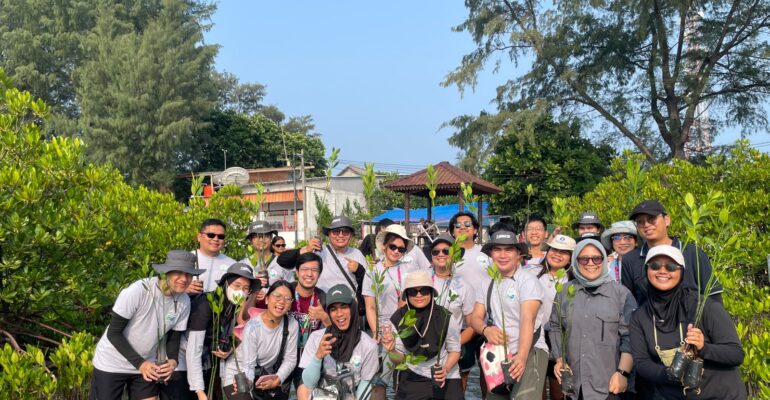
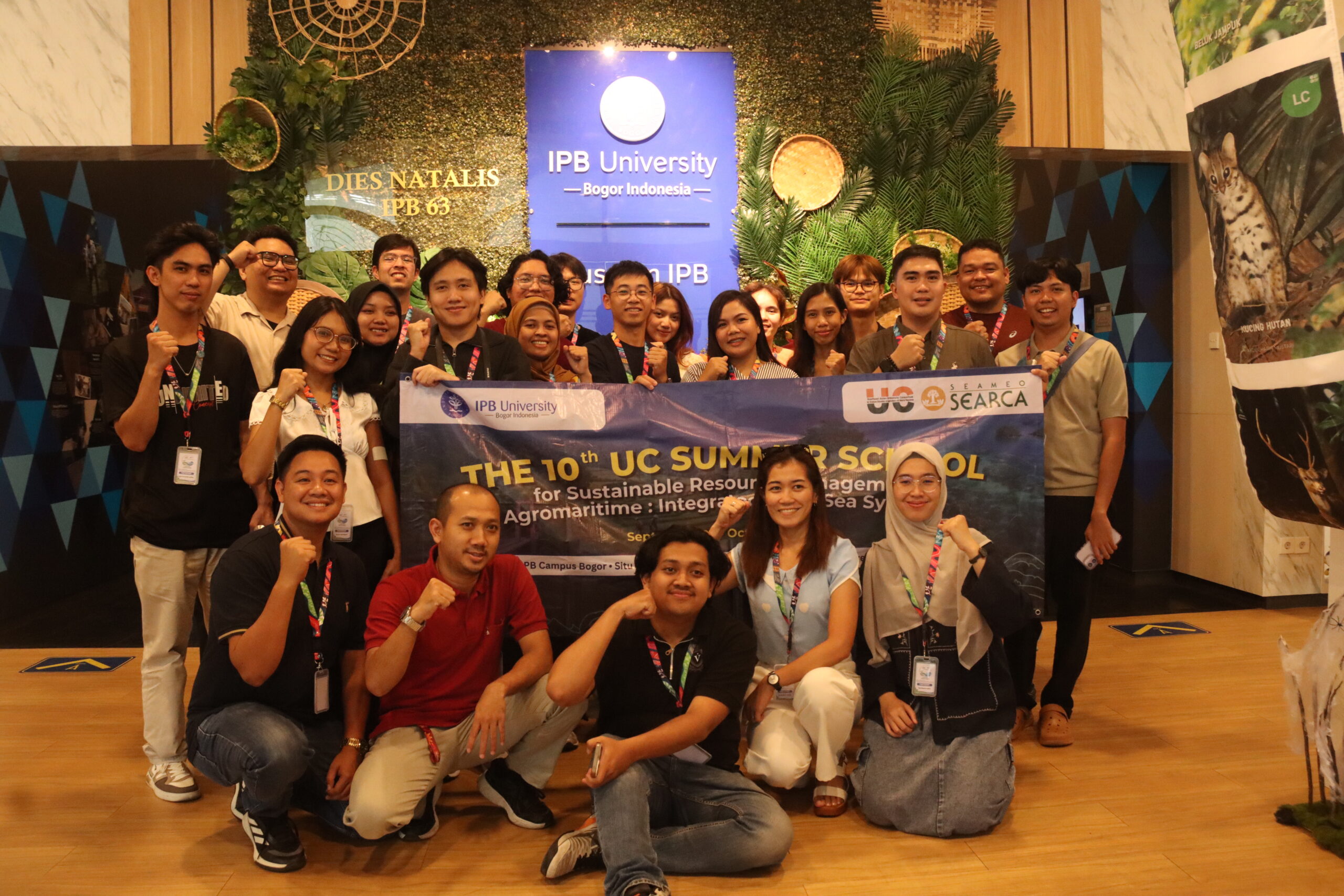
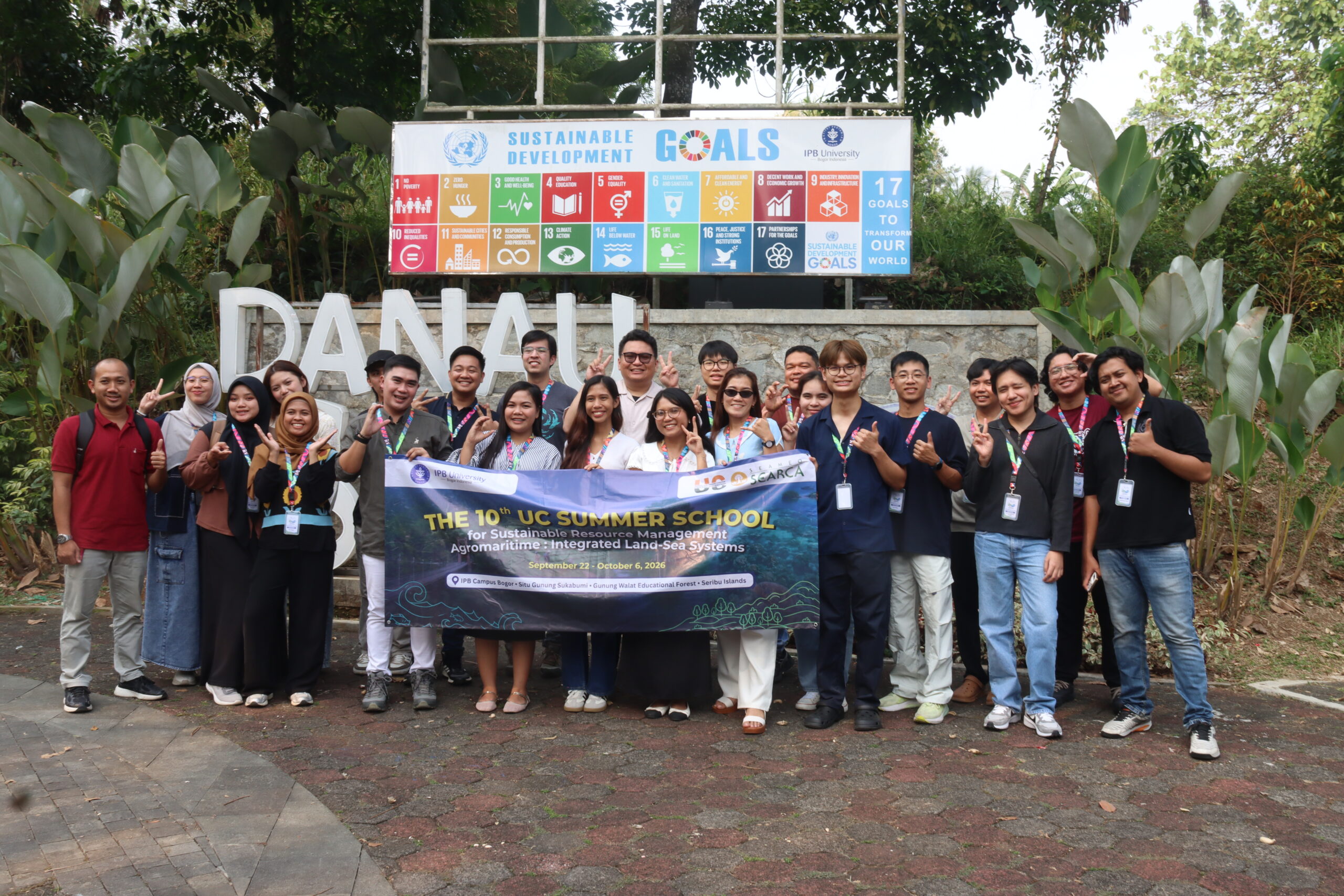
IPB University successfully hosted the 10th UC Summer School 2026, themed “AGROMARITIME: Integrated Land-Sea Systems for Sustainable Resource Management,” bringing together 34 online participants and 24 on-site participants from 14 SEARCA (Southeast Asian Regional Center for Graduate Study and Research in Agriculture) member universities from 6 countries. The program was conducted in two phases, with the online program taking place from 18–28 August 2026 via online meeting, followed by an on-site program in Indonesia from 22 September to 6 October 2026. The program provided participants with opportunities to explore the interconnectedness of terrestrial, agricultural, coastal, and marine systems and the importance of integrated approaches to sustainable resource management.
The online phase served as academic and social preparation for the field-based program in Indonesia. Participants took part in interactive lectures, research presentations, self-learning activities, group discussions, and collaborative assignments covering topics such as agromaritime systems, sustainability, climate science, ecosystem resilience, food systems, the blue economy, governance, and transdisciplinary approaches. These activities also prepared participants for fieldwork through site briefings, safety preparation, stakeholder-interview guidance, and group assignments.
 |
 |
 |
 |
 |
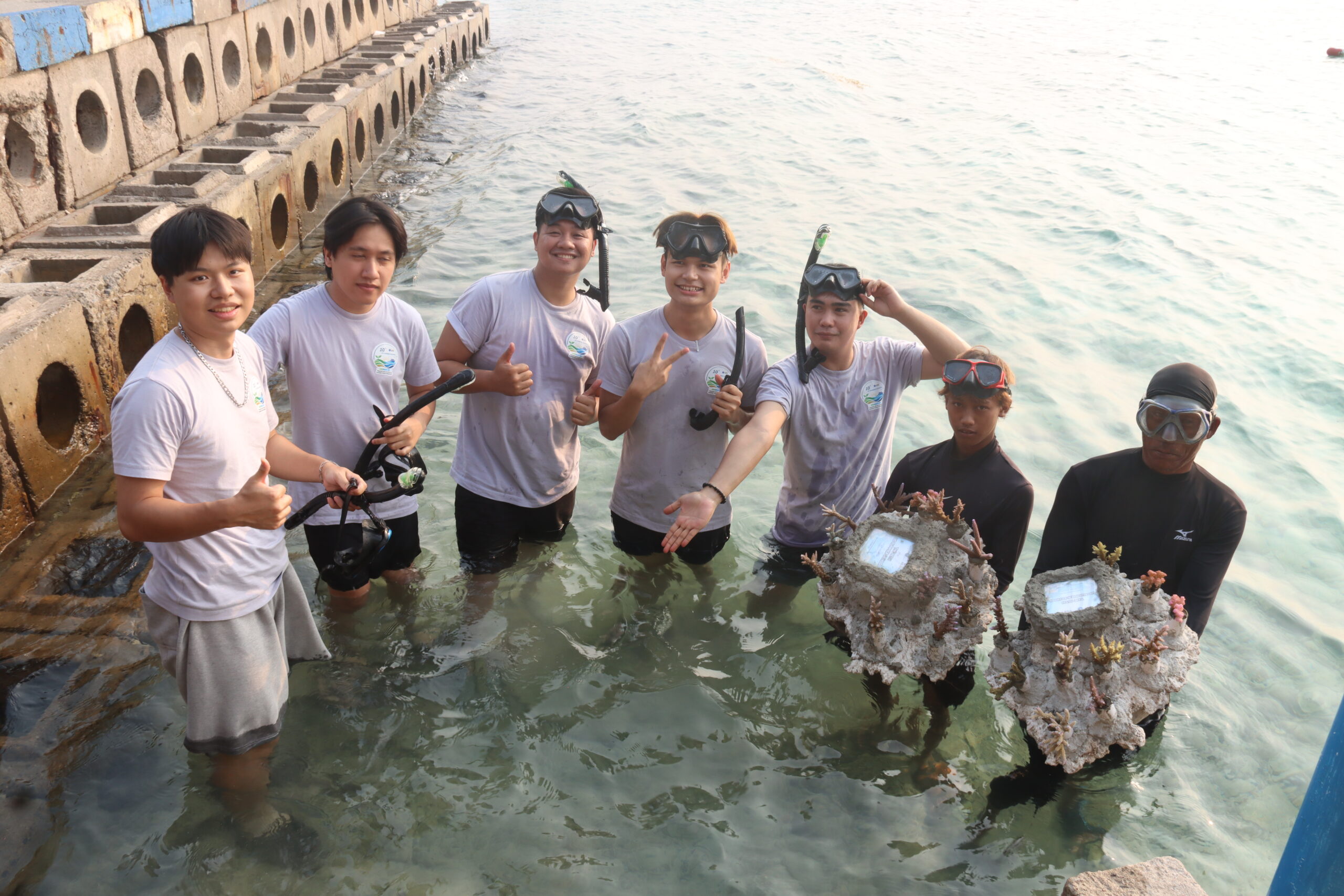 |
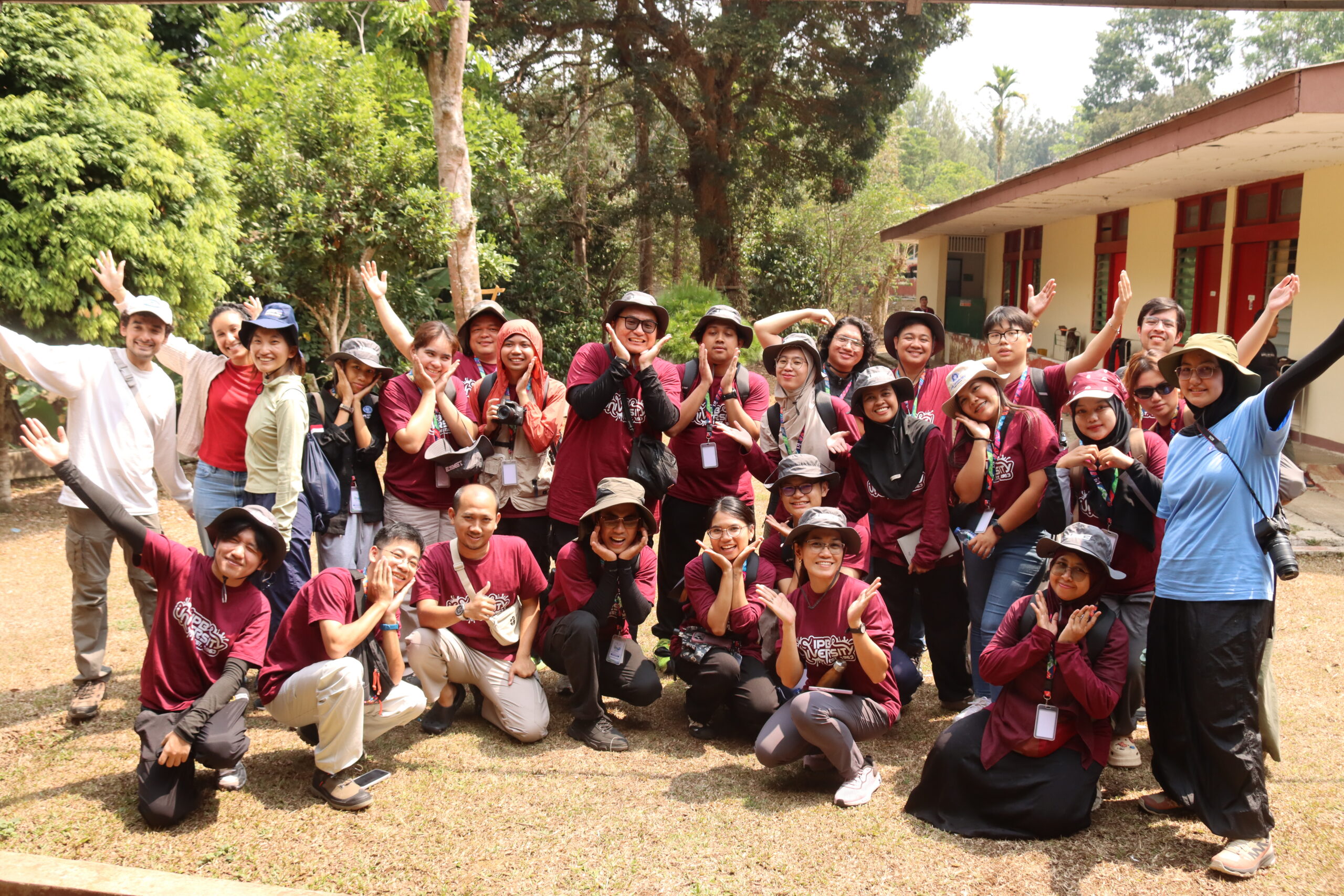
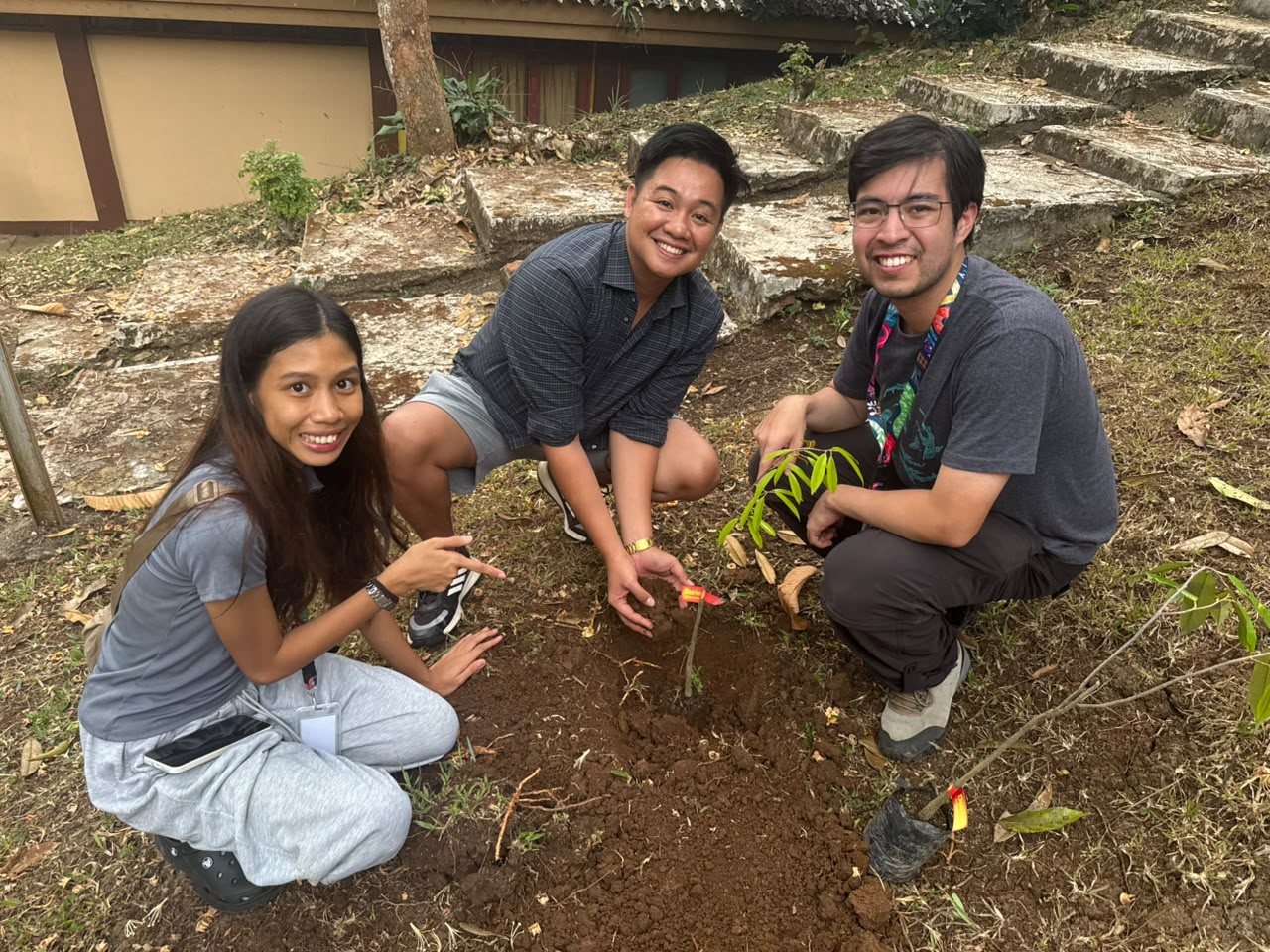
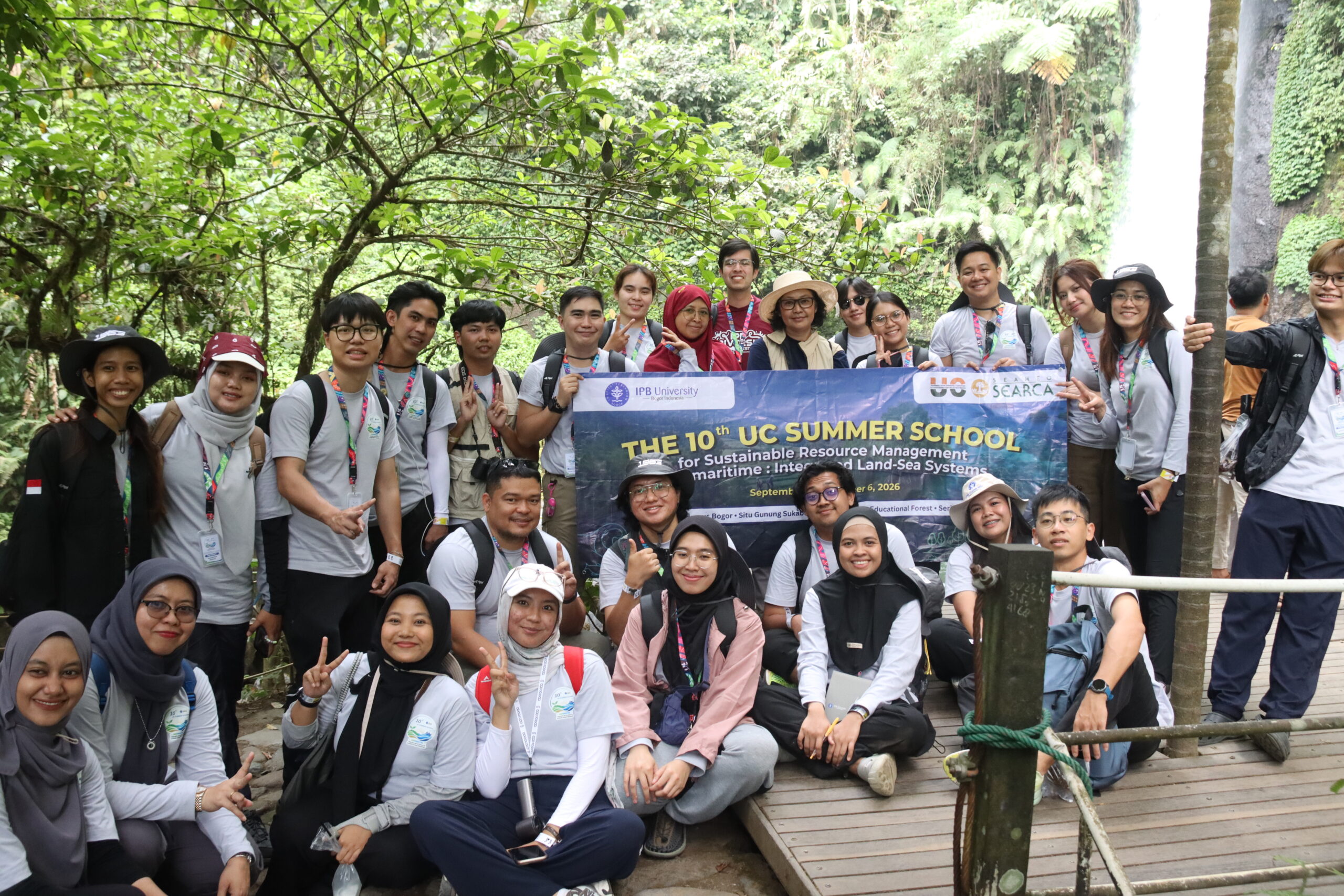
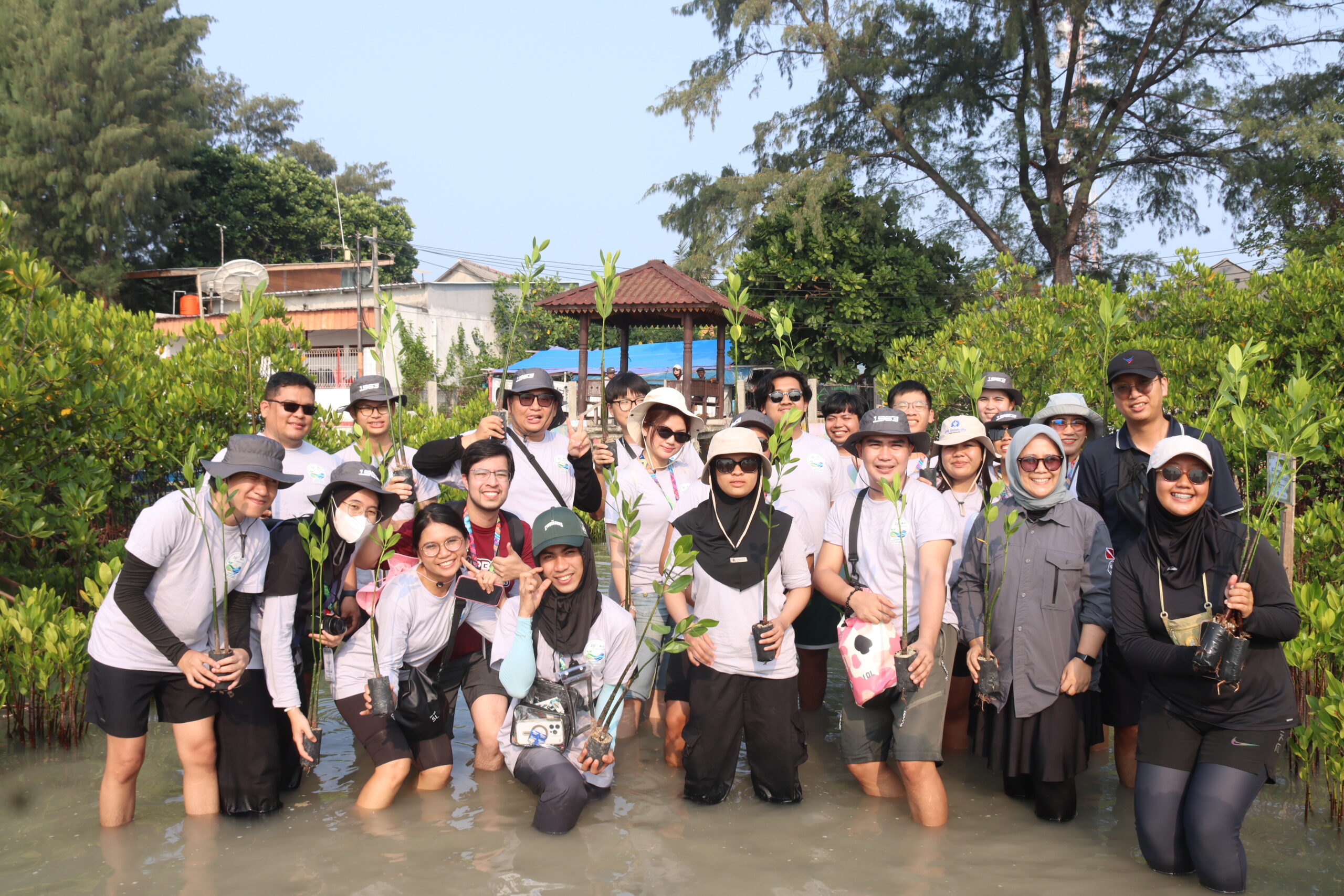
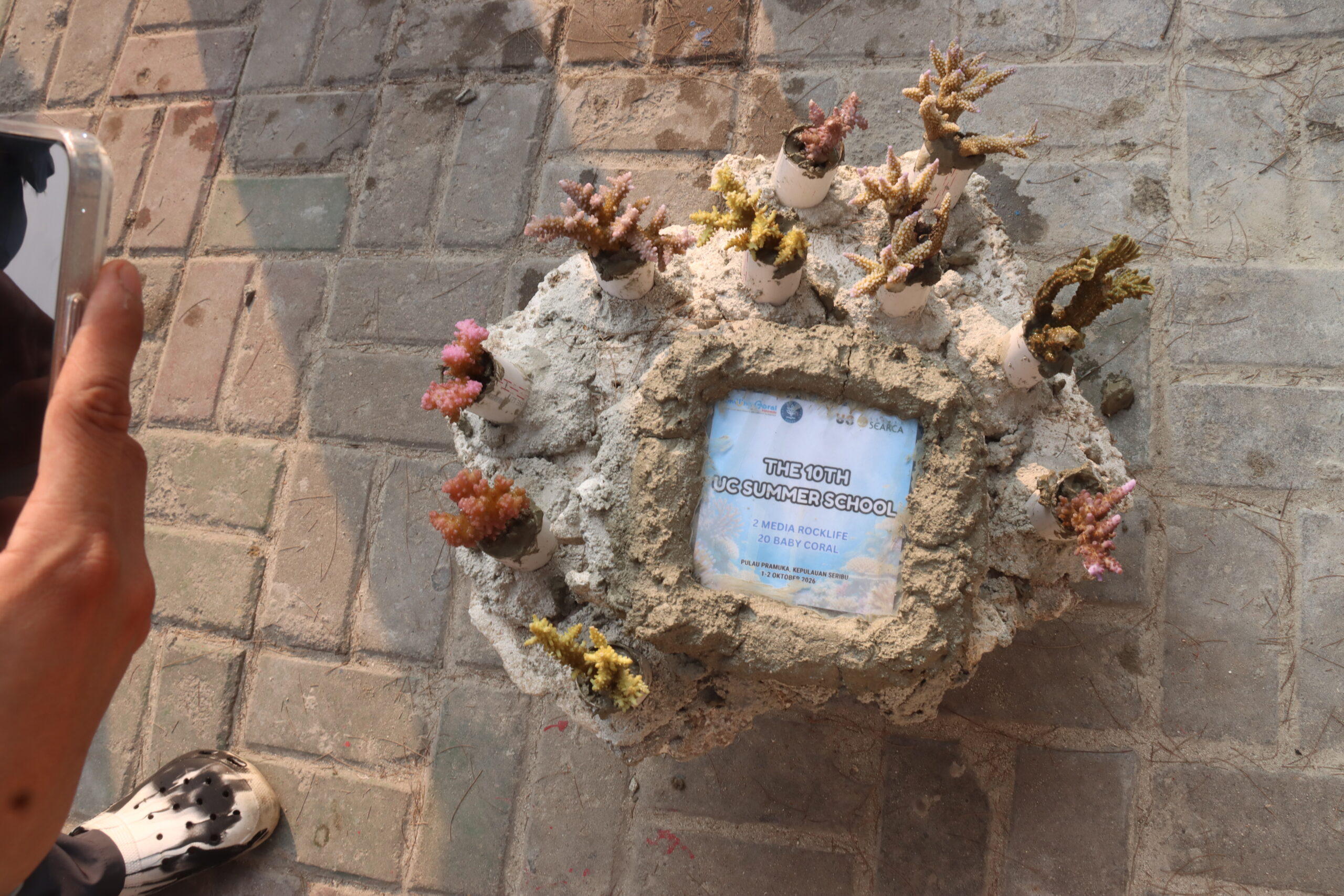
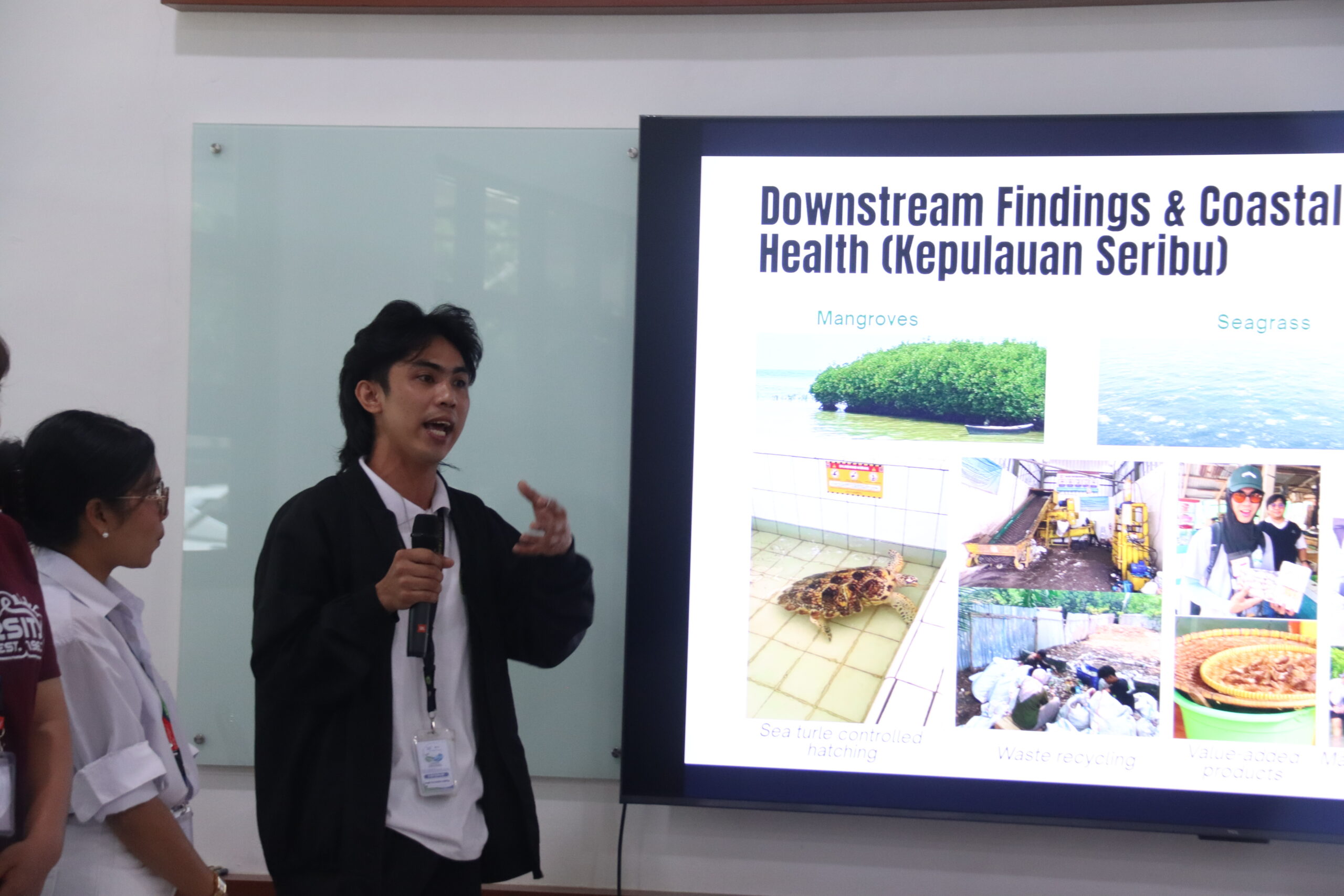
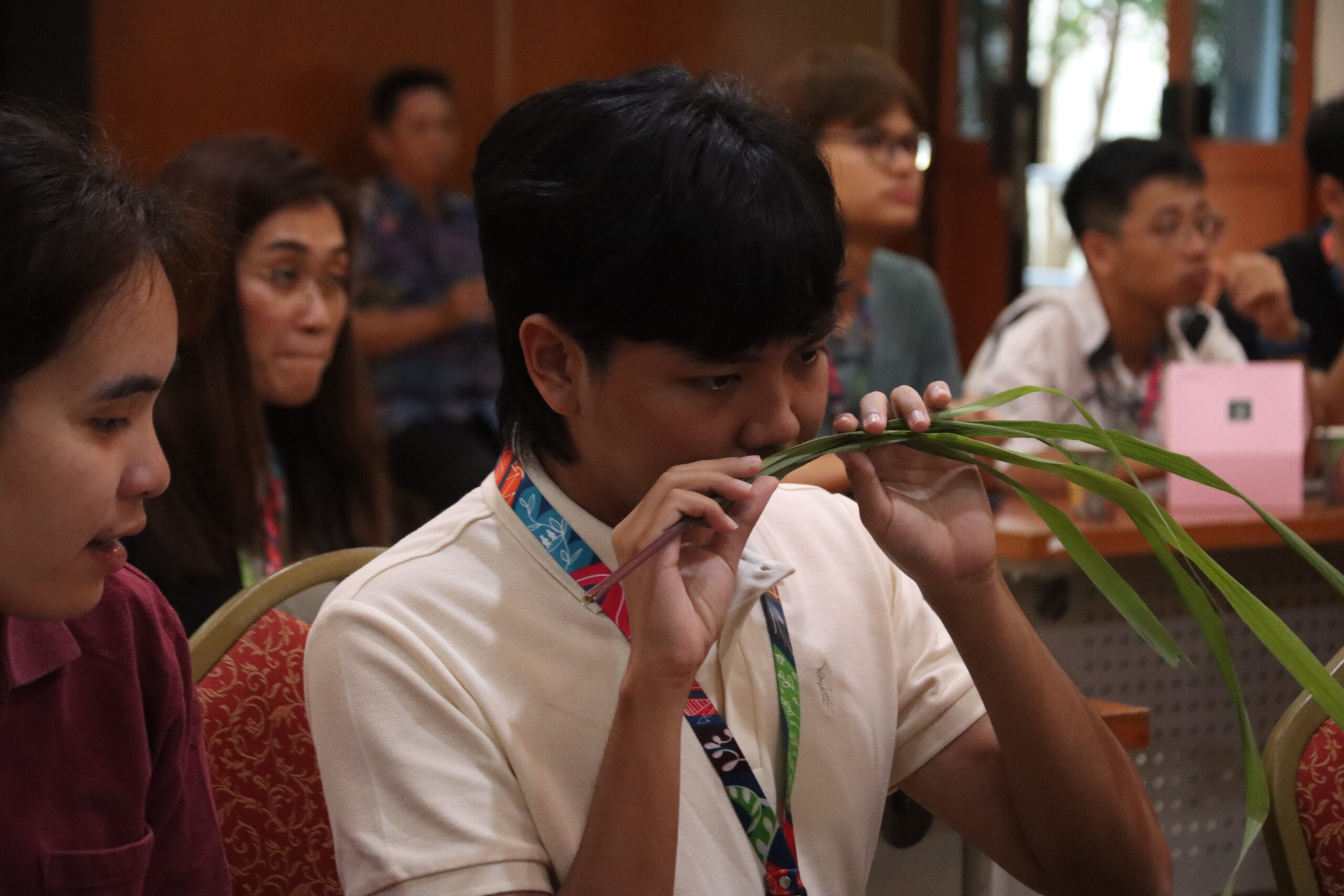
During the on-site program, participants visited several learning locations, including IPB University campuses in Bogor, Situ Gunung, Gunung Walat Educational Forest, and Pulau Pramuka in the Thousand Islands. Through fieldwork and stakeholder engagement, participants connected academic concepts with real-world environmental and community contexts. Activities at Situ Gunung focused on participatory field assessments and stakeholder interactions, while the Gunung Walat component explored terrestrial ecosystems, forest management, agroforestry, ecosystem restoration, and field-based analysis. The marine component on Pulau Pramuka introduced participants to coastal and marine ecosystems, biodiversity, community engagement, and marine conservation activities.
 |
 |
 |
 |
 |
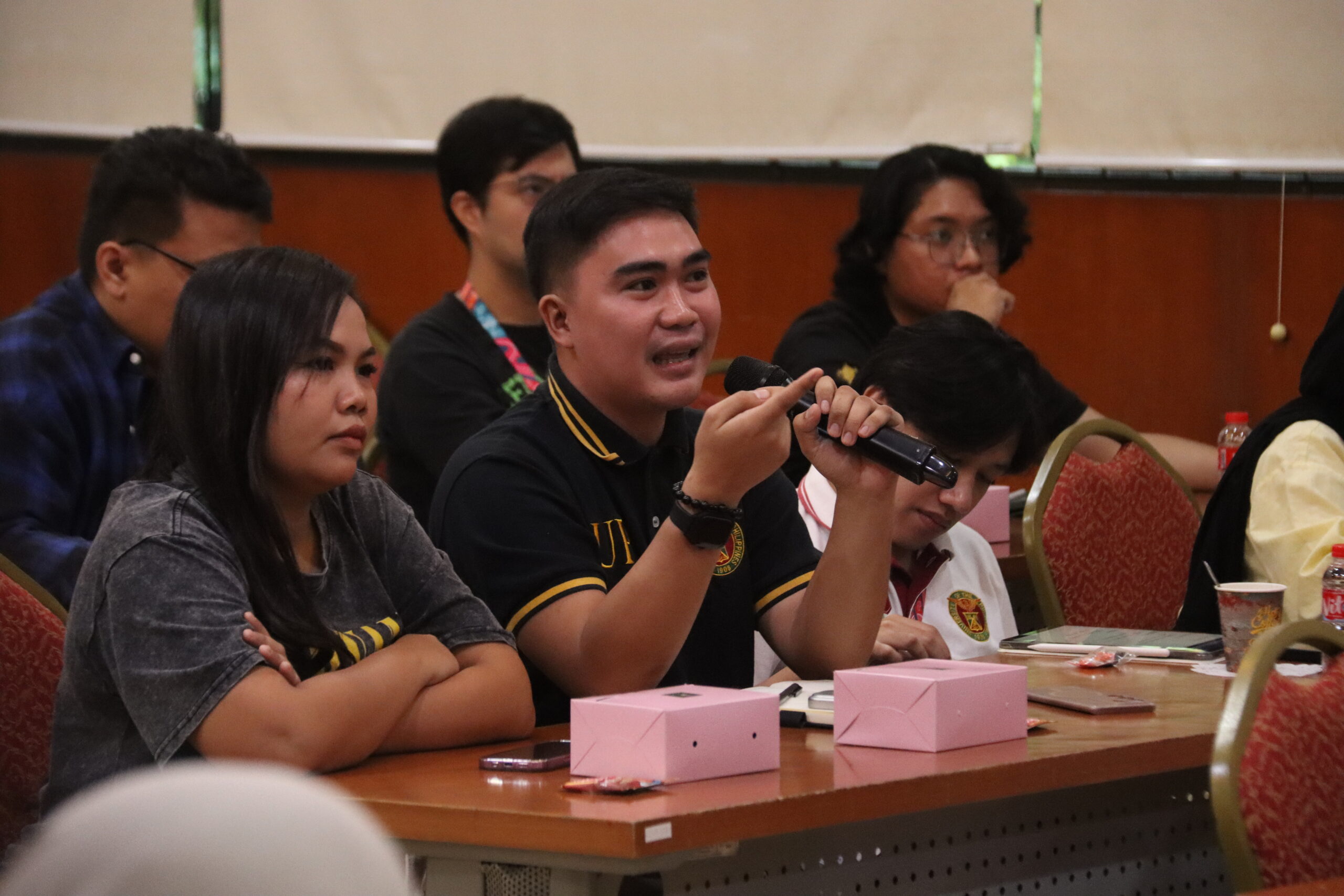 |
Throughout the program, participants collaborated on field assessments, analyzed their findings, and developed recommendations related to sustainable resource management. The activities also included group presentations, feedback sessions, and cultural exchange, providing opportunities for participants to share perspectives and strengthen academic and research networks across institutions. By integrating classroom learning with field experiences, the Summer School highlighted the importance of interdisciplinary and international collaboration in addressing challenges related to climate change, biodiversity conservation, and the sustainable management of land and marine resources.
 |
 |
 |
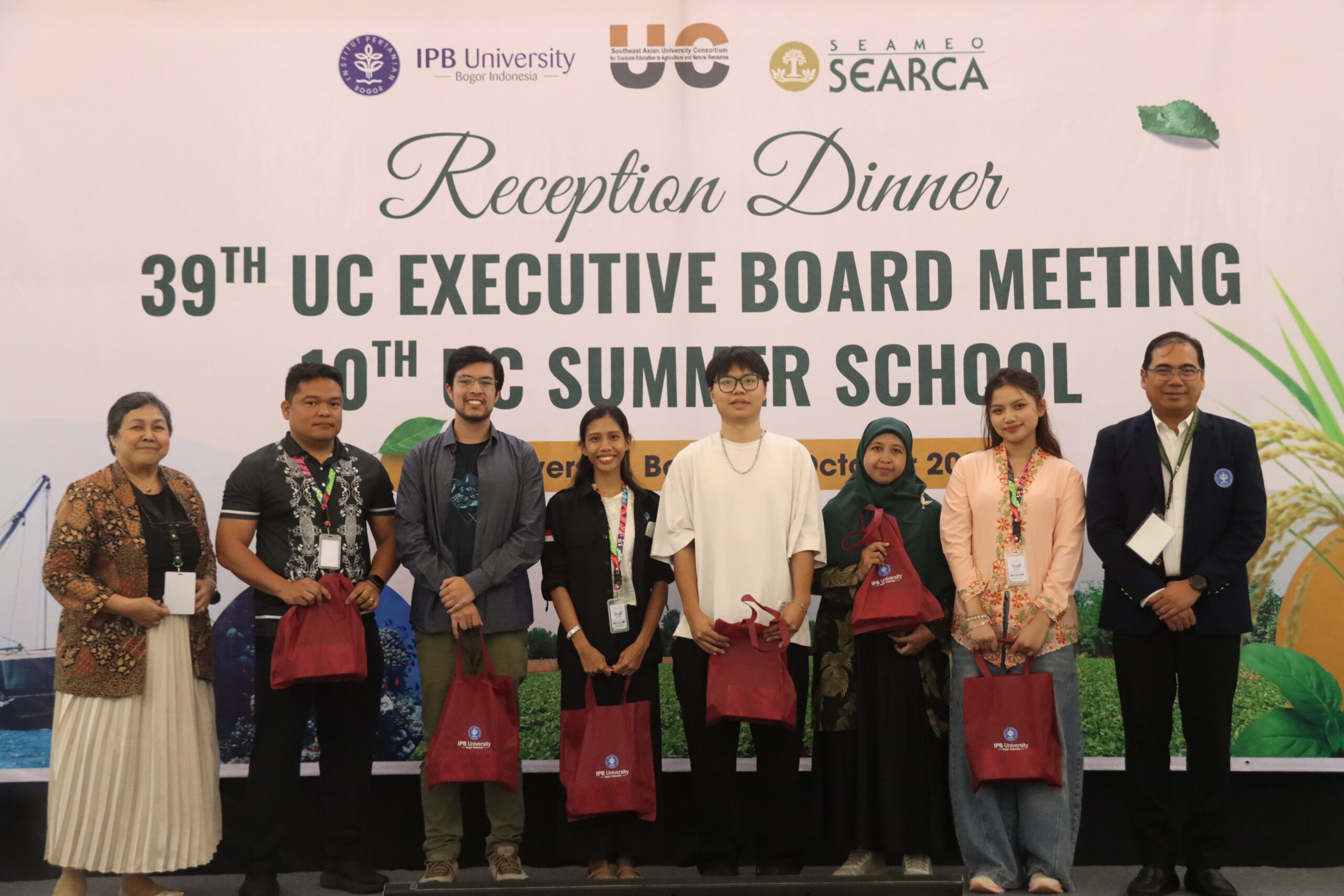 |
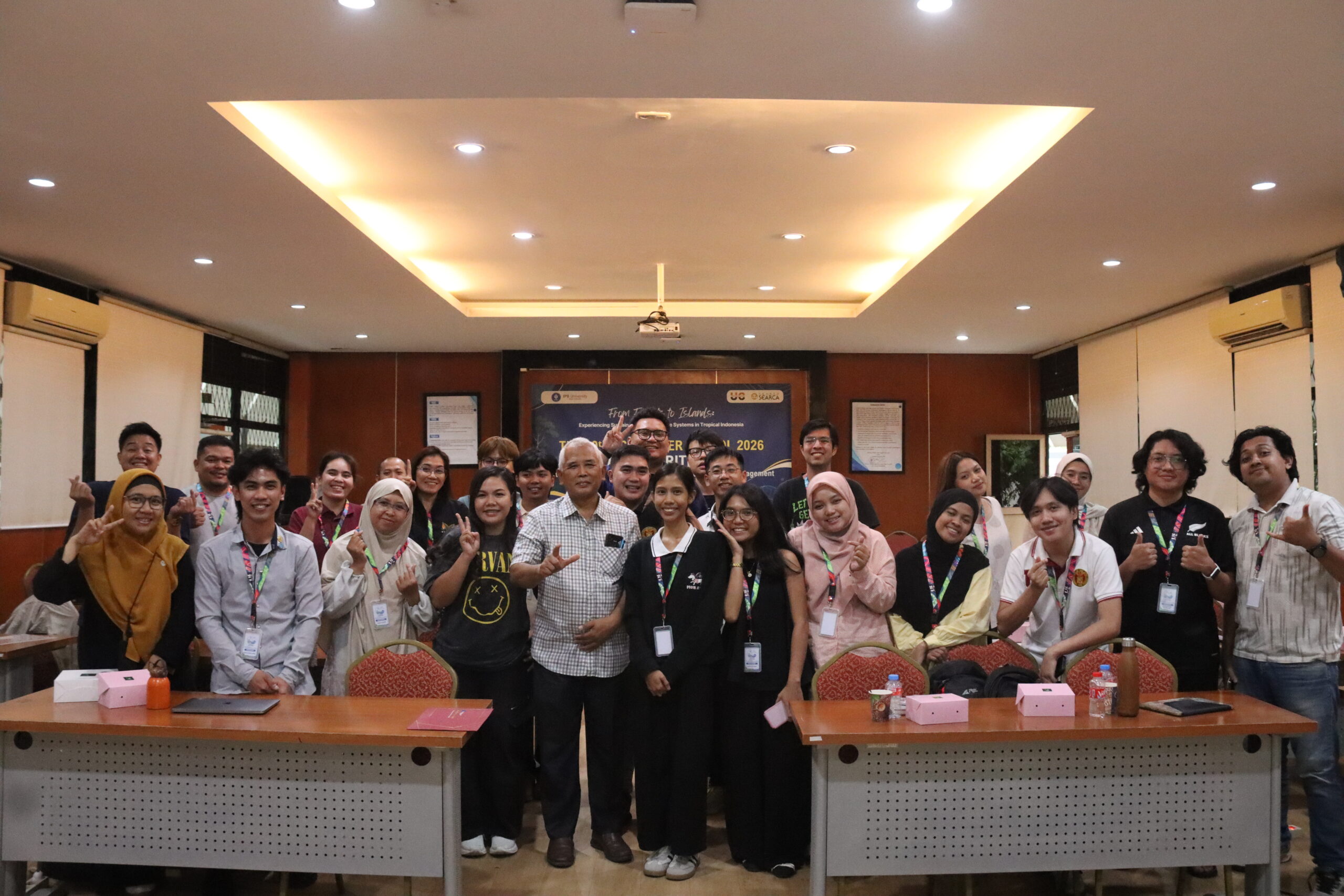
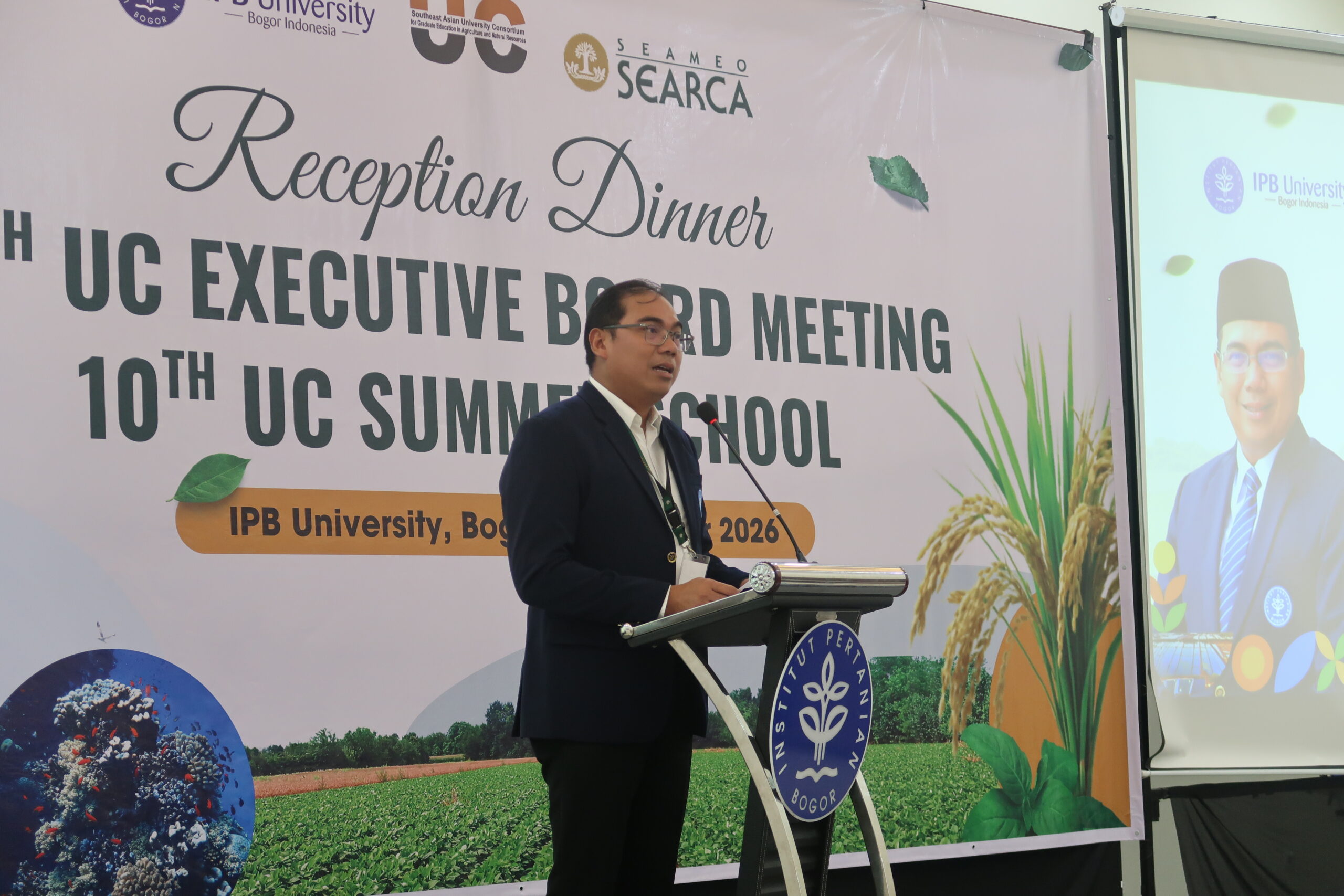
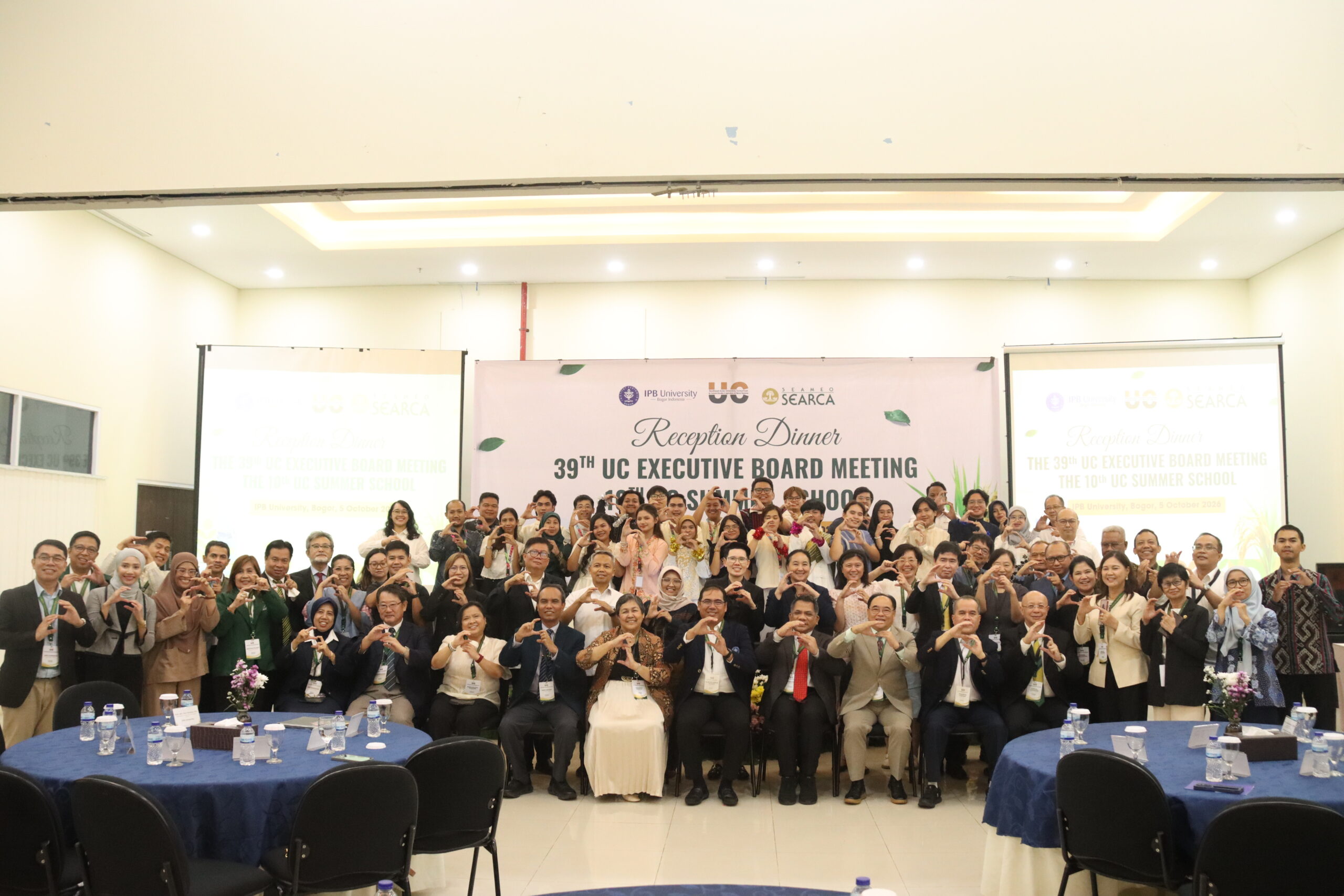
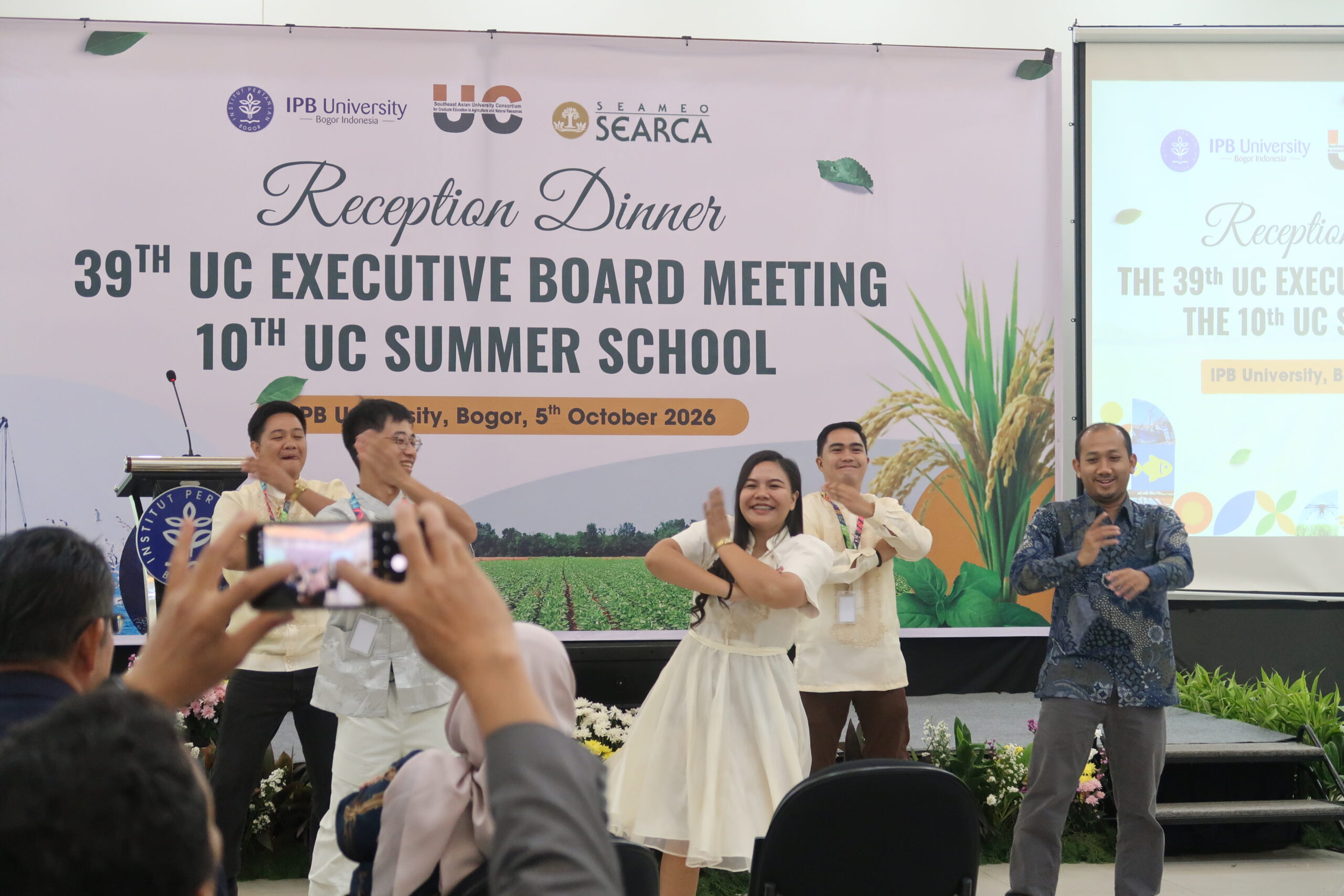
The program’s farewell party was held on 5 October 2026, alongside the Welcome Dinner for the SEARCA 39th UC Executive Board Meeting, also hosted by IPB University. The joint gathering provided an opportunity for UC Summer School participants, UC representatives, and invited guests to celebrate the program’s achievements while strengthening institutional relationships and regional academic collaboration. The event also marked an important occasion for participants and consortium representatives to exchange experiences and foster connections that could support future cooperation in agriculture, natural resources, and sustainable development.