IPB University Launches New Circular Economy Courses under CEBCAT Consortium Project
IPB University Launches New Circular Economy Courses under CEBCAT Consortium Project
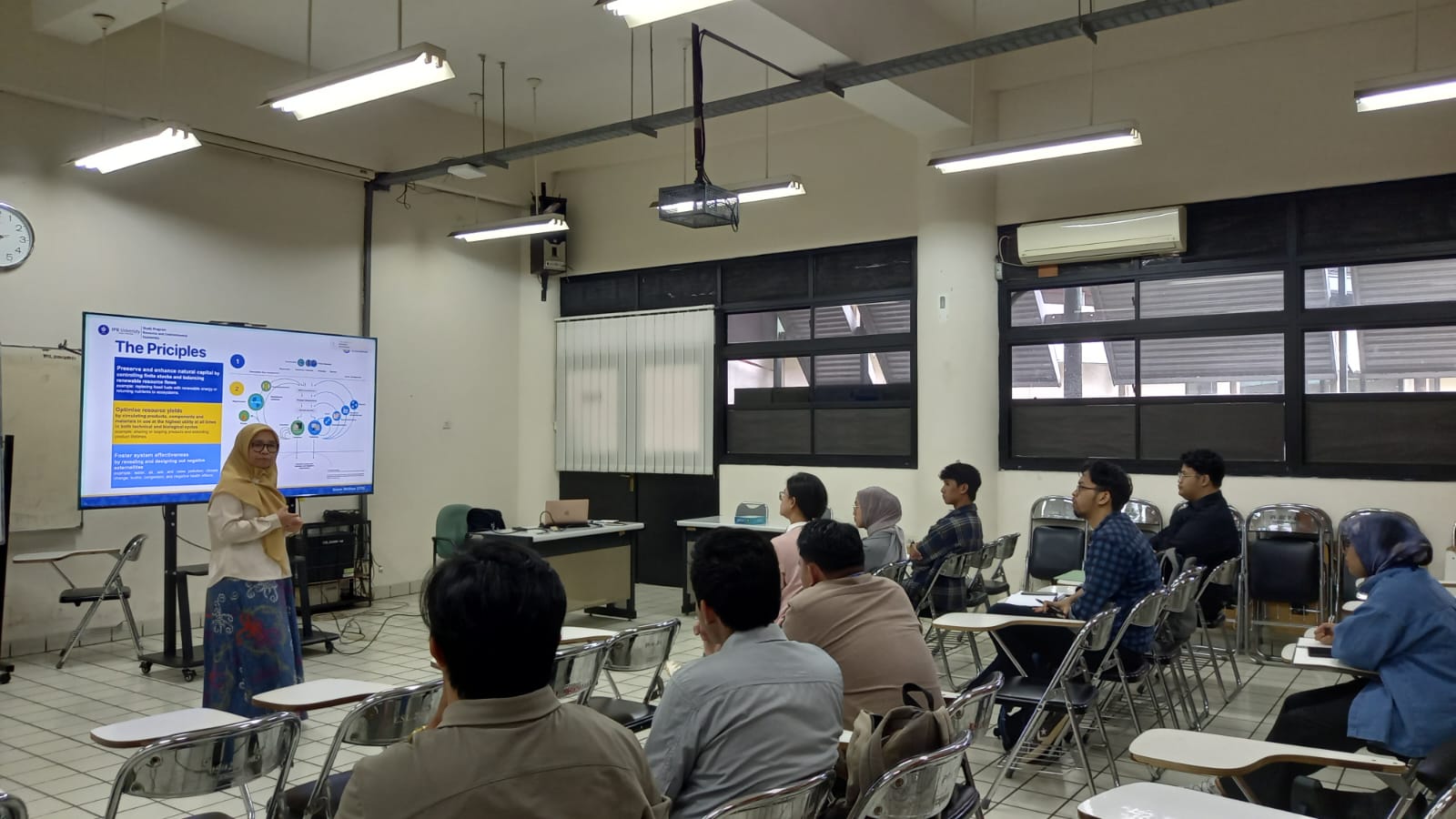
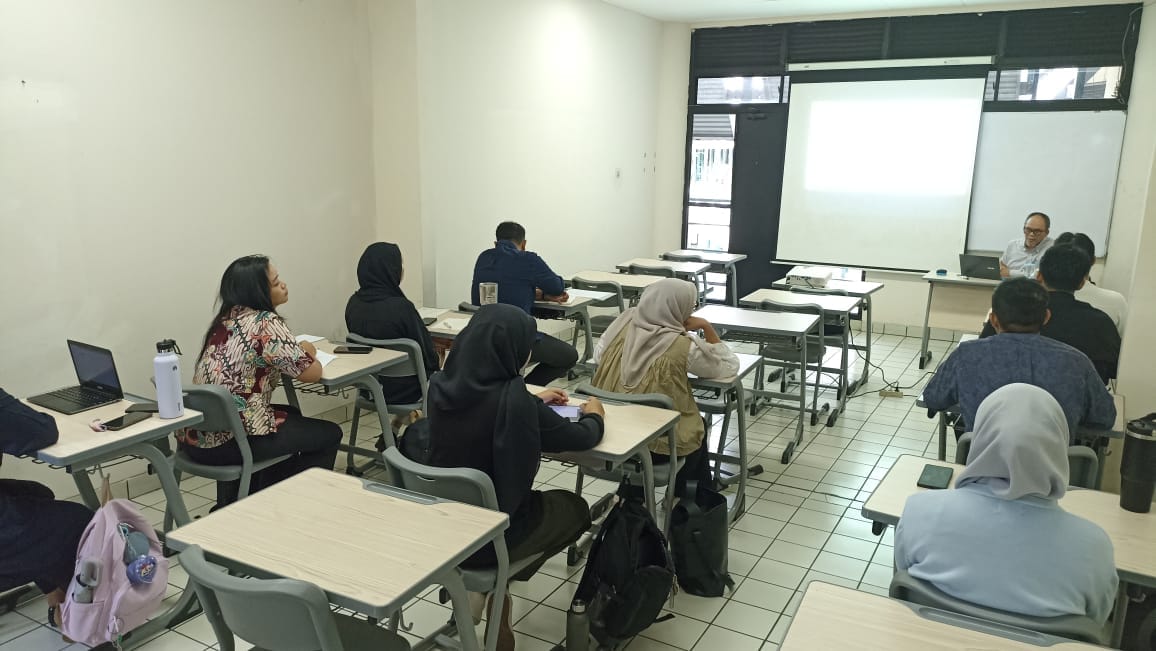
IPB University has officially delivered two new courses, Principles and Policies of Circular Economy for Sustainability and Circular Economy in Food and Energy Systems, in January 2026. It marks the implementation of concentration of Economic Circular at the Master Study Program of Resources and Environmental Economics, as part of the output of the Building Capacities for a Transition to a Circular Economy (CEBCAT) project funded by the Erasmus.
 |
 |
As a member of the CEBCAT consortium, IPB University contributes to strengthening higher education capacity in advancing circular economy concepts. The project emphasizes curriculum development by integrating CEBCAT-based teaching materials into the curriculum, knowledge transfer, and institutional collaboration to support sustainable development goals.
Principles and Policies of Circular Economy for Sustainability focuses on regulatory frameworks, policy instruments, governance mechanisms, and strategic approaches that support the transition from a linear to a circular economic system. Meanwhile, Circular Economy in Food and Energy Systems examines how circular principles are applied within food and energy sectors, including resource efficiency, waste valorization, renewable energy integration, and sustainable production–consumption systems to enhance overall sustainability.
The course materials incorporate modules, case studies, and learning resources developed through collaboration within the CEBCAT consortium. Teaching methods include lectures, group discussions, case analyses, and project-based assignments to ensure students gain both theoretical understanding and practical application skills.
Through its active involvement in the CEBCAT consortium, IPB University continues to expand international academic collaboration while fostering future professionals capable of addressing environmental and economic challenges through circular economy approaches.
Contact:
Eva Anggraini (evaanggraini@apps.ipb.ac.id)